Authentic Bengali Rasgulla
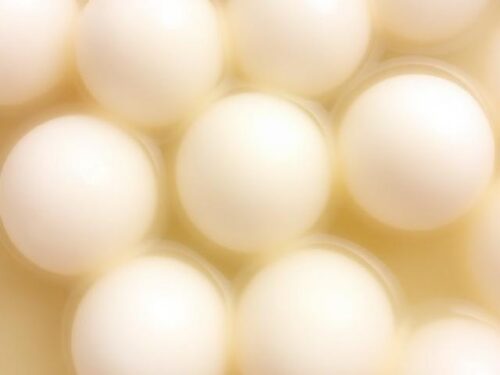
Welcome to the ultimate guide for creating the crown jewel of Bengali confectionery: the Rasgulla. These snow-white, airy spheres of delight are more than just a sweet; they are a celebration of texture and purity, designed to release a burst of cool, sweet syrup with every bite.
While many find the prospect of making Rasgullas at home a bit daunting, the secret lies in the quality of the "Chena" (fresh cottage cheese). Unlike many other desserts, the Rasgulla relies on simplicity—milk, citrus, and sugar. There is something truly cheerful about watching these small dough balls double in size as they dance in a boiling pot of syrup!
In this recipe, we focus on the traditional method using cow milk, which provides the necessary lightness that buffalo milk simply cannot match. If you follow these precise kneading and boiling steps, you'll be rewarded with Rasgullas so spongy, they'll bounce right back when squeezed. Let’s get cooking!
Curdle the Milk. Bring the milk to a boil in a large pan. Once it reaches a rolling boil, turn off the heat. Wait for 2 minutes, then gradually add the diluted lemon juice while stirring gently. Once the greenish whey separates, stop adding the acid.
Strain and Rinse. Immediately pour the curdled milk into a strainer lined with muslin or cheesecloth. Rinse the chena under cold running water for a minute to remove the lemony tang and stop the cooking process.
Drain Thoroughly. Gather the cloth and squeeze out the excess whey. Hang the cloth for 30–45 minutes. You want the chena to be moist but not wet; if it's too dry, the rasgullas will be hard; if too wet, they will break.
The Magic of Kneading. Transfer the chena to a wide plate and add the semolina. Using the heel of your palm, knead the chena for about 5 to 7 minutes. Stop as soon as the mixture becomes smooth, dough-like, and your palms feel slightly oily. Do not over-knead!
Shape with Care. Divide the dough into 15 small balls. Roll them between your palms with very light pressure until they are perfectly smooth and crack-free. Remember, they will double in size, so don't make them too large.
The Boiling Dance. In a wide pressure cooker or a large deep pot, combine sugar, 5 cups of water, and cardamom. Bring to a vigorous boil. Gently slide in the balls. Cover with a lid and cook on medium-high heat for 12–15 minutes. If using a pressure cooker, do not use the weight (whistle) or cook for one whistle and then simmer.
Rest and Chill. Turn off the heat. You'll notice the balls are now large and puffy! Let them cool completely in the syrup to prevent shrinking. Once cool, stir in the rose water. For the best "pop" and flavor, refrigerate for at least 4 hours before serving.
Technically yes, but it is very difficult. Store-bought paneer is usually too pressed and dry. For that signature spongy texture, fresh homemade chena is highly recommended.
Rasgullas stay fresh in the refrigerator for up to 5-6 days. In fact, they often taste better on the second day as they fully absorb the cardamom-infused syrup.
Absolutely! The leftover syrup (Chashni) can be used to make Shakarpara, sweetened parathas, or even as a base for other sweets like sweet boondi.